One of the most common calls my law firm receives is the one from someone saying that they want to “start a business in China.” The first thing we do with that sort of caller is to seek to ascertain whether a China business is actually necessary. Forming and then operating a business entity in China is not fast, is not easy, and is not cheap. I usually convey this by asking the caller if they find it easy running a business in the United States (or Europe), what with having to figure out and pay taxes, rent, wages, vendors, etc. I then point out that having a business in China means they will have to do the same thing over there. So whenever possible, we seek to determine whether there is some way the caller can conduct business with China, achieve its goals with respect to what it is seeking to do with China, while not having a business in China at all. For potential alternatives to forming a China business, check out the following:
- Getting Your Product Into China Via Distributorship. A Legal Piece Of Cake.
- Eight Tips For Your China Licensing Agreement.
- Selling Your Product Into China. What You Need To Know.
But if forming a China business does make sense, the next issue is what kind of business makes sense. On this, you typically have three choices: a Wholly Foreign Owned Entity (WFOE), a Joint Venture (JV), or a Representative Office. These days, the overwhelming majority of foreign companies seeking to do business in China go in as a WFOE, but there are definitely still instances when a Joint Venture or a Representative Office makes sense. For more on the differences between these three sorts of entities and on what it takes to form each of them, check out the following:
- China WFOE vs. JV. Make Mine A WFOE. I Just Call It Like I See It.
- How To Start A Business In China — WFOE
- How To Form a China WFOE. Scope Really Really Matters.
- Setting Up Your China Rep Office. What It Really Takes.
- The Slow Death Of The China Rep Office.
- Representative Offices In China. Things Just Got More Difficult/Expensive…..
- The China Representative Office (RO). Got WFOE?
- How To Start A China Business — Representative Office
- How Not To Write A Joint Venture Agreement
- China Joint Ventures That Work
- Chinese Joint Ventures — The Information The Chinese Government Does Not Want You To Know
- Avoiding Mistakes in Chinese Joint Ventures
- Love The One You’re With. When China Joint Ventures Make Sense.
- China Joint Ventures. Who’s Your Partner?
- Joint Venture Jeopardy (article I wrote for the Wall Street Journal)
If you are going to have a China business entity, you are going to have employees (indirectly in the case of a Rep Office). That means you are going to need written employee contracts (it virtually always makes sense to have these in both Chinese and in English) and a written employee manual/employee handbook (again, in English and in Chinese). You probably will want your employee agreements to speak to issues like trade secrets and non-competes (which are limited in China) and overtime. For more on employee contracts and employee handbooks, check out the following:
- China Employee Contracts And Employee Manuals. Not Optional.
- China Employment Contracts. Ten Things To Consider.
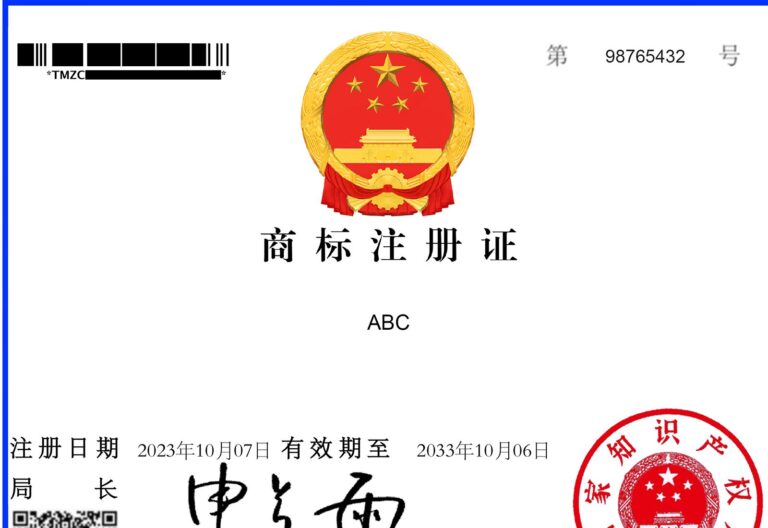
The last thing you need to focus on if you are going to be doing business with China, particularly if you are going to be doing business in China, is protecting your intellectual property. In nine out of ten cases, this means registering your trade name and your other important trademarks in China. On some occasions, this also means registering your patents or copyrights in China as well. For more on registering your trademarks in China and protecting your IP there, check out the following:
- Protecting Your Intellectual Property In China, Part I.
- Protecting Your Intellectual Property In China, Part II.
- How To Protect Your IP In/From China?
- China IP Protection. Deja Vu All Over Again.
- China Trademarks — Do You Feel Lucky? Do You?
The above are the four main issues confronting foreign companies seeking to do business in China. 1) Determine if a China company is necessary. 2) If a China entity is necessary, form the right one. 3) If you are going to have a Chinese company, you should have the proper employment contracts and employee manual. 4) If you are going to be doing business in China, you are going to need to take certain steps to protect your IP.
That was easy, wasn’t it?