Yes Virginia, There Is IP Protection In China.

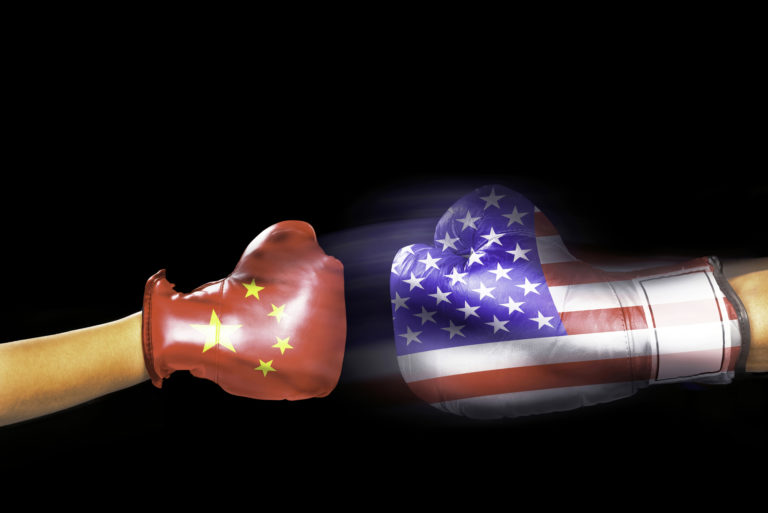
A couple weeks ago, I did a post entitled, No IP Enforcement In China. That Cannot Be True, in which I talked about how it is just not true that Chinese courts will not enforce a foreign company's intellectual property rights against a Chinese defendant.

I then discussed a recent high profile and high damage case won by a British tea kettle company, ,and concluded that post by saying that the "next time someone says China never enforces patent rights held by foreigners, you tell them that cannot be true.

Seems I am not the only one who thinks so as the Wall Street Journal just ran an by Jones Day attorney Benjamin Bai, entitled, "Yes, China Does Protect Intellectual Property: Multinational companies just need to take better advantage of opportunities to defend their patents."

The article notes that "the picture isn't as bleak as you might think" and that [t]he key is for foreign businesses to understand how IP protection works in China and to take better advantage of the protections that exist." It then notes how patent applications in China grew to 947,000 in 2009 from 252,000 in 2002, making the Chinese Patent Office the third-busiest patent authority in the world, after Japan and the United States. China also is now the most litigious country in the world for IP disputes—with 24,406 suits filed as compared to about 8,000 in the U.S.

Foreigners have been slower to embrace Chinese patents and Bai thinks this is because they wrongly believe they cannot prevail in IP litigation in Chinese courts:

But foreign companies can also win in Chinese courts. Neoplan, a German bus company, won an award of $3 million in January 2009 against two Chinese companies for their infringement of its design patent on buses. This case represents the largest infringement damages award ever obtained by a foreign company in China and compares well to the average patent infringement damages award of less than $50,000. Last month, a Beijing court ordered two Chinese companies to pay a combined $1.3 million in damages to a British manufacturer of electric kettle components.

Anecdotal evidence suggests the recent win rate for multinational companies in IP suits in China has been greater than 50%. In some cities the win rate exceeds 90%. While it may be premature to declare victory based on these statistics, they do suggest that it is a mistake to assume that multinational companies cannot win IP suits in China.

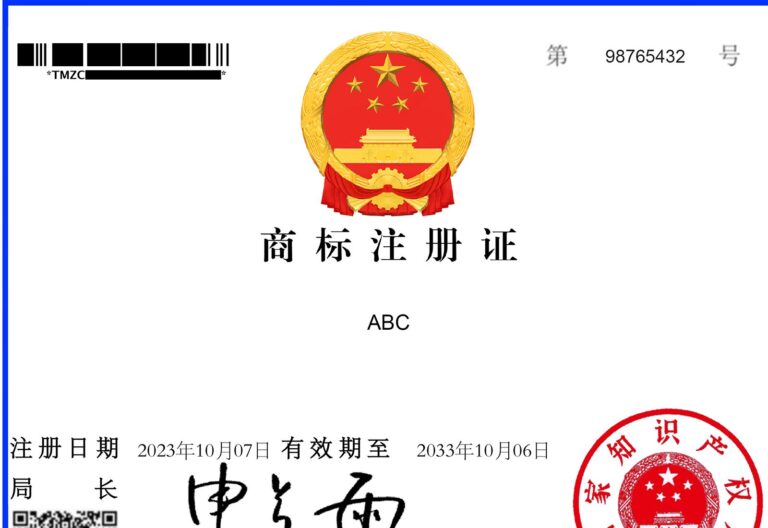
Foreign companies just need to know how to take advantage of these trends. Too many have made the mistake of not applying for patents and trademarks in China. Foreign patents and trademarks are not enforceable in China, just as Chinese patents and trademarks are not enforceable in the United States. Multinationals also should be willing to enforce their Chinese IP rights against infringers. Litigation success requires more than a mere willingness to sue. An in-depth understanding of the Chinese judicial system and relevant legal doctrines and an ability to maneuver through the intricacies of law and politics in China are essential for foreign companies enforcing IP rights there.

I agree.

Comments (2)

Read through and enter the discussion by using the form at the end
theAdmiral - February 14, 2010 9:18 AM

It's certainly good to see this type of enforcement. Foreign companies certainly need to register their trademarks and file patents in China to help protect their interest.

I do find it an interesting coincidence that these two large fines were against private, not State Owned Enterprises.

Perhaps the SOE's have more respect for IPR?

Han - February 19, 2010 7:56 PM

It is the fact that patent is hardly enforced in China, not only for foreign patentees but also for domestic ones. Why? it appears that China has good patent law system and it seems that all popular doctrines for patent enforcement are workable in China.

If you really get involved into a patent litigation in China, you will find the reason. China has no discovery procedure and the burden of evidence is too heavy for the right holders. More importantly,no one really cares about ethics here. The parties and lawyers can make fake evidences without fear of any punishment.(look at qualcom v Broadcom case in US, you know how important the discovery and ethics are)

Post a comment

Fill out this form to add a comment to the discussion
I'd like to leave a comment. is
,
is
,
is
is