Though I am constantly getting calls from companies that have been scammed in their China dealings, it is rare that I learn of two (probably three) scams in one week (and it is only Wednesday) It is also rare that they are as interesting as the ones I will be describing. Add in this Reuters article which came out yesterday that quotes me on fake [Ikea] stores in China and it truly has been China scam week, for me anyway.
The first scam is about a Chinese due diligence company that contacts companies overseas and tells them that they have a buyer lined up for their business. The foreign company (I understand that this company mostly focuses on North, Central and South America) then is told that before the Chinese company will reveal itself, it must submit to a due diligence inspection, with the Chinese company and the foreign company splitting the due diligence fees and each party paying approximately $20,000.
What makes this scam more sophisticated than most is that the Chinese company uses Americans as its salespeople. These American salespeople either do not know that they are engaged in a scam or they do not want to know. The American salespeople do the deal and the Chinese company even sends someone out to the purchasing company and conducts a bit of work. A few months later, the foreign company is informed that the buyer is no longer interested.
There are a lot of smart things about this scam. First off, virtually nobody knows that they have been scammed. Second the amount scammed is just about perfect. It is enough to make it worth the scamming company’s while, but not enough for the company that was scammed to bother investigating further or to bother reporting it and looking bad for having been duped.
The second scam would have been completely run of the mill, but for the large amount involved and the sophistication of the company scammed. I learned of this one from a China consultant friend who asked me if there is anything my law firm could do to try to get the money back. Here’s the story:
An American manufacturer receives unsolicited offers from two Hebei-based companies for chemicals. This American manufacturer had been seeking out chemicals via Alibaba and that is presumably how it had been brought to the attention of the Hebei companies (company?). The Hebei companies send the American company samples of three chemicals. The American company tests them, finds them to spec, and acceptable to purchase.
The American company subsequently iplaces an order for $750,000.00 worth of two of the three chemicals from the two Hebei companies. To protect itself (but not correctly), the American company uses an Irrevocable Letter of Credit, documents at sight. What this means is that the Chinese bank must pay the Hebei companies as soon as they are presented with documents showing the product has been put on a ship for shipment to the United States. Or to put it even more simply, the Chinese companies get their money as soon as the material is on the boat.
And of course, this is what they do. The Hebei companies secure bank payment as soon as their materials are loaded.
Five weeks later, the American company receives its product, but upon opening it, realizes it has been sent 100 drums of water and 50 tons of some unidentifiable white powder.
The Hebei company that sent the white powder no longer responds to emails, faxes, or phone calls. A quick googling of their name reveals that it is a frequent topic on anti-scammer message boards. The Hebei company that sent the water responds, but only in the most evasive, time-buying manner. After a few days, communication are lost with them as well. There are some indicators that the two “companies” are one and the same. A quick search of company registrations in China indicates neither company ever existed.
My friend plans to put “boots on the ground” in an effort to recover.
Please note that I secured permission from my friend to write the above.
The third (probable) scam is pretty run of the mill, but is one of my personal favorites because it emphasizes the benefits of doing due diligence on your “lawyers.” An American company contacted me after sending a cease and desist letter to a Chinese accusing it of using its China trademark and demanding that it cease. The Chinese company responded by saying that it owned the trademark, having registered it a couple of years ago.
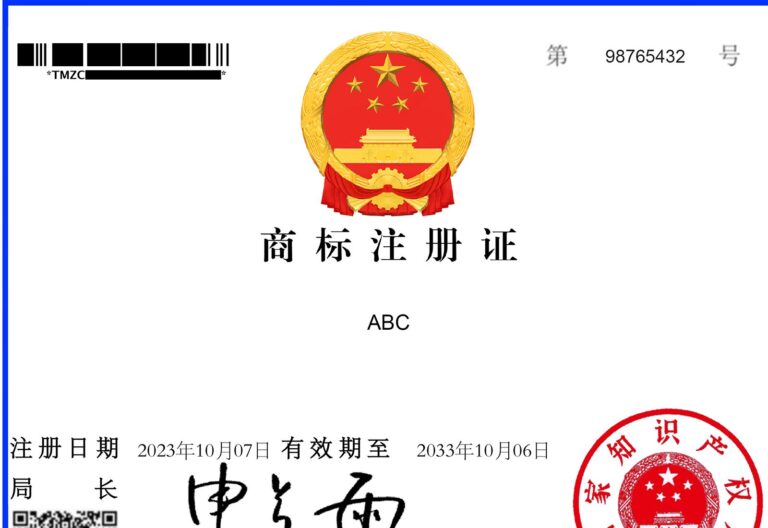
The story here is that the American company had paid a “lawyer” (I put this in quotes because I am skeptical that it was indeed a lawyer that had been retained) to register its trademark and it had the certificate of registration to prove it. Now, however, when it did the trademark search it did not show up anywhere and its Chinese rival did. What to do, what to do?
I explain that the Chinese company (which by all appearances looks completely legitimate and had nothing to do with the scam) now owns the trademark and probably the best thing for this American company to do is to stop using that trademark in China or it will likely be facing its own cease and desist letter soon. I then counsel them to secure a new trademark and to actually get it done right this time.
For more on China scams and how to avoid them, check out the following:
- Seven Rules Of China Due Diligence.
- Giving China Due Diligence Its Due, Part II. Don’t Be A Sucker.
- China: Where Even The “Law Firms” Are Fake
- China Due Diligence. It Is Different.
- Giving China Due Diligence Its Due
- Korea, Fake Degrees, Confucius, Due Diligence, And China Too
- Let Me Tell You About China Due Diligence
Is this sort of thing actually getting worse or is it just an aberrant week?