Got a very interesting comment today on our post On The Demise Of China Manufacturing….Kidding. Part II. In that post, I talked about my conversations with various people in Tokyo regarding where manufacturing was going to move due to China’s increased labor costs. The answer was that it is probably not going to move at all.
The post very briefly summarized the reasons why other countries were not going to win over very many factories from China. The reason given for a number of the countries was corruption.
The interesting comment was from a reader named “NM” and it was as follows:
Dan – fascinating post as always. Keep up the good work! One striking claim your clients seem to be making is that they perceive China as Less corrupt than a number of other lower-middle income countries (Indonesia, Philippines, Mexico, etc.). Given China’s generally abysmal rankings in Transparency International’s Corruption Perception Indexes, that is very interesting. You may well have posted on this already, but it would be very interesting to get your sense of how much corruption there actually is in Cn these days, how this might differ from earlier days you’ve experienced, and in what kinds of contexts corruption shows up, and in which it doesn’t.
NM raises an excellent point, to which I think I have a couple of answers. The first answer is that China’s level of corruption is, in fact, better than most of the countries mentioned, as can be seen by the following Transparency International corruption rankings:
Malaysia 56
China 79
India 84
Thailand 84
Mexico 89
Indonesia 111
Vietnam 120
Philipines 139
Laos and Cambodia 158
The second, and probably more important thing is that where things really matter for foreign companies, China is actually much better even than the above rankings indicate.
Let me explain.
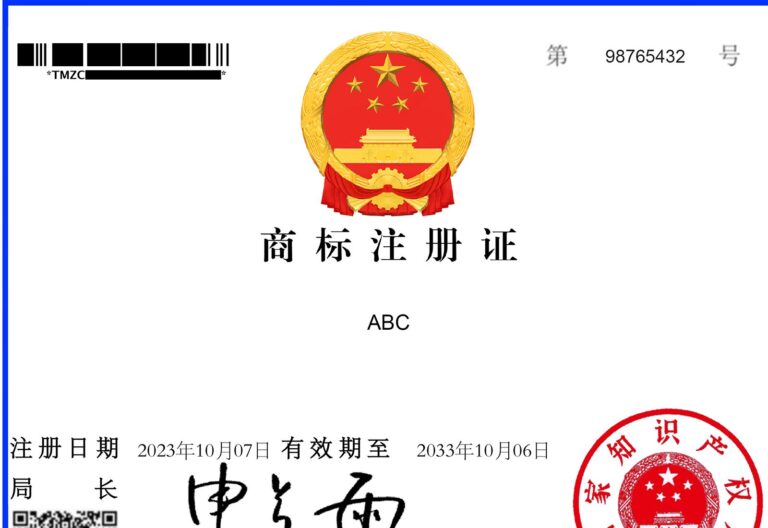
China’s government is actually relatively corruption free for foreign companies seeking to do the basics. For example, for such things as registering a company or a trademark, there is virtually no corruption. If you follow the rules and pay the applicable fees, you are pretty certain to get your company and your trademark. You are also pretty certain not to get hit up for any “extra” fees either. I do not believe this is as true in many of these other countries.
Lawyers who deal with India, for example, tell me that you very likely will get hit up by a bureaucrat trying to convince you to pay more to get “priority” service and that if you do not pay this extra fee, your application may languish for a very very long time. In Malaysia, foreign companies absolutely hate how you pretty much must have Malays on your team (as opposed to people from Malaysia’s other ethnic groups) if you want to have any chance of success. I had a Korean client who told me that 20% of their employees were Malays who they had to keep employed, even though they did pretty much no work at all. Technically, this is not corruption, but if you are a foreign business, it certainly feels as though you have just been held up.
I really think what distinguishes China from these other countries though (Vietnam is a bit like China in this respect) is the much stronger prohibition on corruption against foreign entities as compared to domestic entities.
All this means China just is not that bad for a company that actually follows China’s rules. Now before anyone calls me naïve, please really read this post and note that it says nothing regarding overall corruption in China; it deals just with government corruption that impacts foreign companies.
What are you seeing out there?